Vienna Actionism: The Raw Pulse of Viennese Performance Art
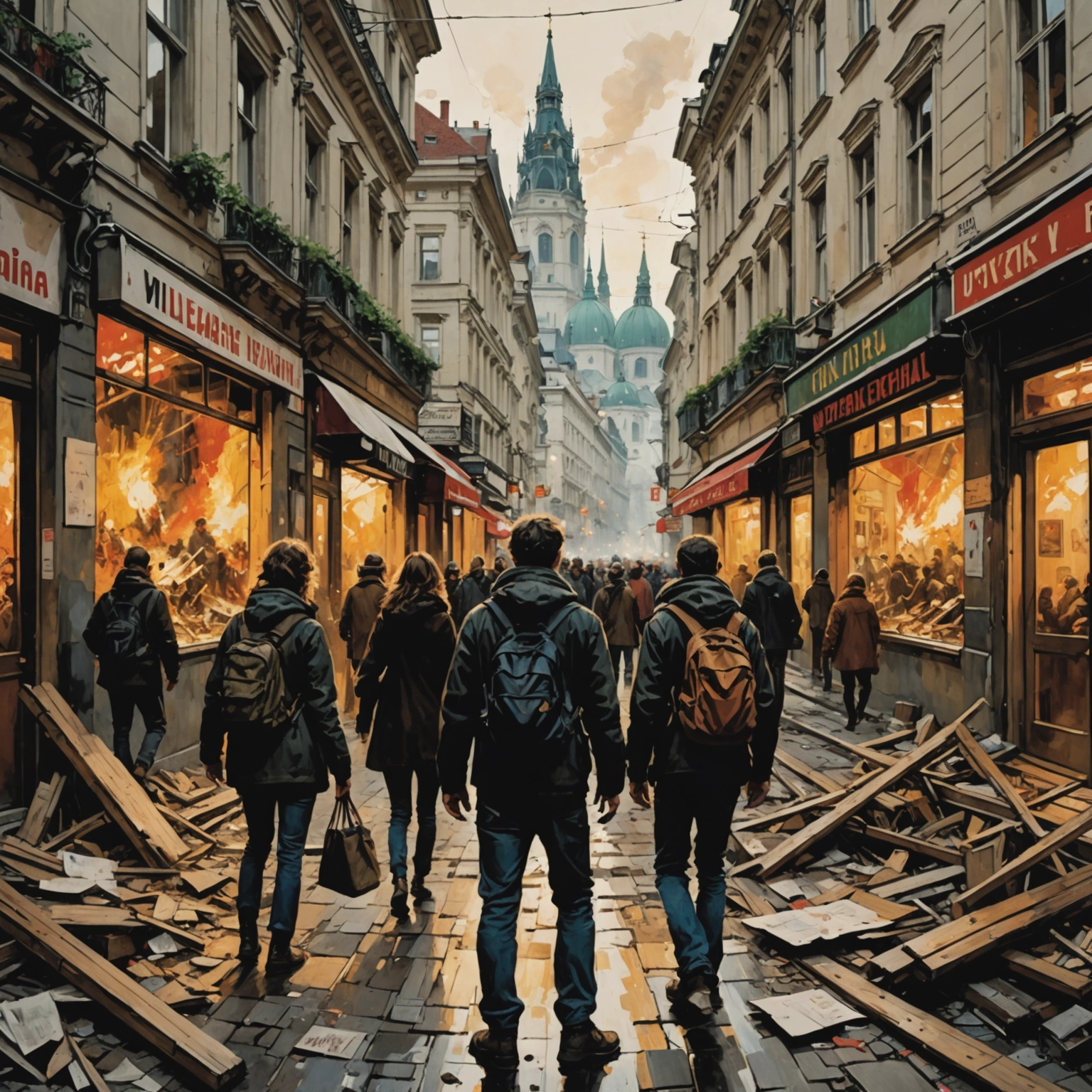
When Art Breaks Its Own Boundaries
Imagine walking into a gallery where paint doesn’t just adorn canvas, but is hurled, smeared, and sometimes even poured over living bodies. Scenes of visceral, sometimes shocking acts unfold before your eyes—blood, animal carcasses, and explosive gestures converge to challenge every notion of what art should be. This is no ordinary exhibition; welcome to the world of Vienna Actionism. Far from the polished strokes of traditional painting or the serene sculptures of classical art, Viennese actionism is a whirlwind of raw expression, rebellion, and deeply provocative performance that shook the art world in the 1960s and continues to reverberate today.
Vienna Actionism did not emerge from a vacuum. Post-war Europe was a continent grappling with the scars of conflict, repression, and rapidly shifting social norms. In this turbulent atmosphere, a group of radical artists in Austria sought to shatter the conventions of art and society alike. They embraced the art of actionism — a form of artistic expression where the act itself, often spontaneous and extreme, became the artwork. But what exactly drove these artists to such extremes? What legacy did their shocking performances leave behind? And why does their work still spark debates among art lovers and cultural critics? If you’re curious about the explosive energy behind these performances or the artists who dared to redefine art’s limits, you’re in the right place.
Before we dive deeper into the heart of Viennese performance art, a little detour might surprise you—much like the actionists themselves. Did you know that the spirit of taking bold leaps, even into the unknown, is alive and well today in unexpected places? For instance, those looking to embrace risk and excitement might explore bets with free bet in Kenya, where daring moves and calculated risks can offer new thrills—much like the daring leaps in the art of actionism. But back to the world of avant-garde art, where the stakes were just as high and the consequences just as intense.
The Explosive Evolution of Vienna Actionism
Vienna Actionism was more than a movement—it was a declaration of war against the sanitized, commodified art scene of the mid-20th century. The artists involved—known collectively as actionism artists—were not content with creating objects to be passively admired. Their work was performative, often involving the artist's own body as the medium. This approach was shocking in a conservative society, and their actions frequently sparked outrage, censorship, and discussions about the limits of freedom and decency.
What set Viennese actionism apart from other contemporary movements was its unflinching confrontation with themes like death, sexuality, religion, and political repression. Rather than depicting these issues from a distance, the artists thrust themselves into the midst of the turmoil, using blood, flesh, and ritualistic gestures to force audiences into visceral encounters with taboo subjects.
Key Figures and Their Radical Acts
- Günter Brus: Often regarded as the movement’s most outspoken figure, Brus used self-mutilation and body painting to explore the boundaries between pain, art, and identity.
- Otto Muehl: A provocateur who blurred the lines between life and art, Muehl’s performances involved collective acts that questioned societal norms.
- Hermann Nitsch: Known for his “Orgien Mysterien Theater,” Nitsch’s work was a theatrical ritual involving blood, animal carcasses, and music designed to invoke primal responses.
- Rudolf Schwarzkogler: Although he died young, Schwarzkogler’s staged photographs remain iconic for their clinical yet disturbing engagement with body and pain.
Collectively, these artists transformed Viennese performance art into a battleground where conventions were violently overturned, making Vienna Actionism one of the most controversial and important avant-garde movements of the 20th century.
In the sections that follow, we will explore how the art of actionism redefined artistic boundaries, examine the cultural and political context that fueled this radical wave, and consider its enduring impact on contemporary art and performance. Whether you’re an art historian, student, or simply someone fascinated by the power of human expression, the story of Viennese actionism offers a compelling journey into art’s most challenging and provocative frontier.

Understanding Vienna Actionism: The Radical Art Movement
What is Vienna Actionism and Why Did It Emerge?
Vienna Actionism, also known as Viennese Actionism or simply Vienna actionism, is a provocative and groundbreaking art movement that emerged in Austria during the 1960s. It is characterized by its radical, often confrontational performances that blurred the lines between visual art, theatre, and body art. This movement arose as a reaction against the conservative post-war cultural climate in Austria and the broader Western art establishment. Its practitioners sought to challenge social norms, explore taboo subjects, and push the limits of artistic expression.
The art of actionism was deeply intertwined with political and social critique, reflecting the tensions of the Cold War era, the scars of World War II, and the repression of individual freedoms. By using the human body, often in extreme or violent ways, these artists aimed to shock audiences, provoke debate, and dismantle traditional aesthetic values.
Who Were the Key Actionism Artists in Vienna?
The Vienna actionism movement was spearheaded by a handful of influential artists known collectively as “actionism artists.” The most prominent figures included:
- Günter Brus – Known for his raw, intense body performances that often involved self-inflicted pain or endurance.
- Otto Muehl – A central figure who combined painting, performance, and communal living, pushing boundaries of social conventions.
- Hermann Nitsch – Famous for his “Orgien Mysterien Theater,” which used ritualistic, often bloody performances to explore themes of life, death, and spirituality.
- Rudolf Schwarzkogler – Noted for his photographic series depicting staged self-mutilation and surreal body imagery, expanding the visual vocabulary of Viennese performance art.
These artists, among others, collaborated and influenced each other, shaping the evolution of Viennese performance art and the broader art of actionism.
What Are the Main Characteristics and Techniques of Viennese Performance Art?
Viennese performance art, as expressed through Vienna actionism, is marked by several distinctive features:
- Use of the Body as Medium: The human body was not just a subject but an active medium in the creation of the artwork, often subjected to extreme physical acts to convey meaning.
- Shock and Provocation: Performances were designed to shock audiences by confronting them with taboo topics such as violence, sexuality, death, and religion.
- Ritualistic and Theatrical Elements: Many actions resembled rituals or ceremonies, using symbols and props to evoke deeper psychological or spiritual responses.
- Ephemeral and Documentary Nature: These performances were often transient, with documentation through photography or film being the primary way to preserve them.
These techniques allowed the actionism artists to break free from traditional static art forms, creating immersive, experiential works that challenged spectators’ perceptions.
How Did Vienna Actionism Influence Contemporary Art?
The impact of Vienna actionism extends far beyond its 1960s origins. It fundamentally altered the trajectory of contemporary art by:
- Legitimizing performance art as a serious artistic discipline, inspiring future generations of artists worldwide.
- Encouraging explorations of the body, identity, and social taboos in art, themes that remain central in current artistic discourse.
- Influencing movements such as body art, feminist art, and conceptual art through its emphasis on process, experience, and personal risk.
Institutions and museums today continue to study and exhibit works related to Viennese performance art and the art of actionism, underscoring its lasting significance.
Where Can One Experience or Learn More About Vienna Actionism?
For those interested in exploring Vienna actionism further, several resources and venues provide rich insights:
- Museums: The Leopold Museum and the Museum Moderner Kunst Stiftung Ludwig Wien (MUMOK) in Vienna host exhibitions featuring works and archives from actionism artists.
- Documentaries and Books: Numerous documentaries and scholarly books delve into the history, philosophy, and impact of Viennese actionism.
- Academic Programs: Many art history and performance studies programs worldwide include modules on Vienna actionism, offering detailed analyses.
Engaging with these materials allows a deeper appreciation of how Vienna actionism shaped the art world and continues to influence contemporary creative practices.


