The 2nd Chechen War: Unraveling the Conflict That Shaped Modern Chechnya
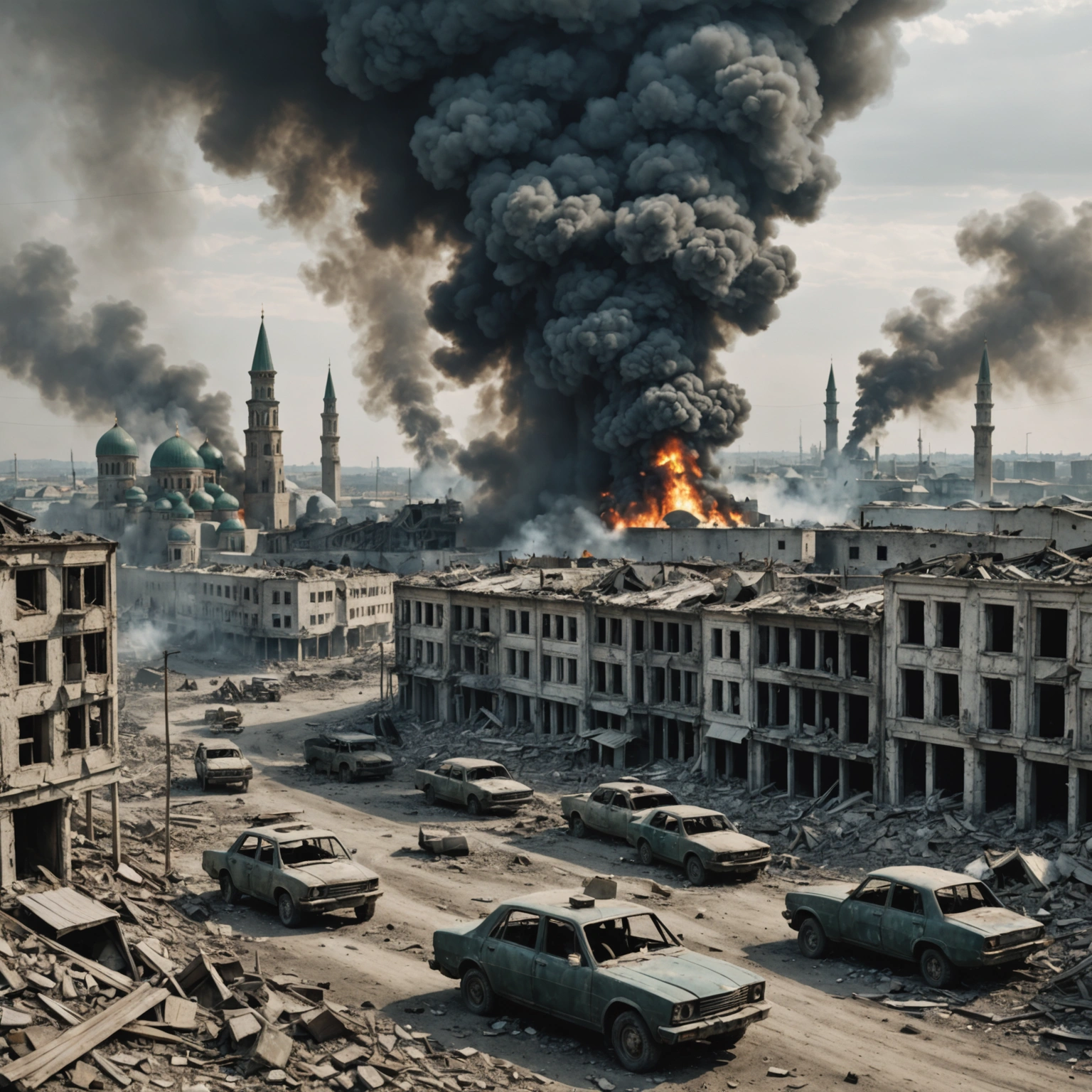
When History Repeats: The Return to War in Chechnya
Imagine a region scarred by decades of unrest, where the echoes of one brutal conflict never quite fade before another erupts. Such was the reality in the turbulent years that followed the 1990s, when the 2nd Chechen War years unfolded—a chapter marked by renewed violence, shifting alliances, and a fierce struggle for control in the North Caucasus. If you’ve ever wondered what sparked the Chechen War 2, or how the war in Chechnya 1999 reshaped the political landscape, you’re about to dive into a story of resilience, tragedy, and the complex interplay of local and global forces.
The Chechen campaign that began at the close of the millennium wasn’t just a continuation of the first war but a multifaceted conflict that challenged military strategy, international diplomacy, and human endurance. Through this article, we will navigate the critical Chechnya events that defined this period, offering insights into the causes, key moments, and consequences of the war years that followed 1999. Whether you’re a history buff, a student of geopolitics, or someone with a personal connection to the region, understanding this conflict is crucial to grasping the broader story of Chechnya’s turbulent path.
From Calm to Chaos: The Spark Behind the Second Chechen Conflict
At the heart of the Chechen War 2 lies a question: why did the region plunge back into violence just a few years after the first war’s official end? The answer is tangled with unresolved grievances, political fragmentation, and external provocations. After the 1st Chechen War ended in 1996, the republic enjoyed a shaky peace, but lawlessness and economic collapse made the region ripe for instability. By 1999, a series of Chechnya events, including cross-border raids and the rise of radical groups, triggered a decisive response from Moscow.
The war in Chechnya 1999 was more than a military campaign—it was a pivotal moment that revealed the limits of Russia’s tolerance for separatism and the volatility of post-Soviet federalism. As the Chechen campaign escalated, the world watched in grim fascination as cities burned, populations were displaced, and the human cost mounted. This introduction will lay the groundwork for a detailed exploration of the war years, highlighting the turning points and drawing attention to the lasting impact on Chechnya’s society and politics.
What to Expect in This Article
- A detailed timeline of the 2nd Chechen War years and key Chechnya events
- An analysis of the military strategies used during the Chechen campaign
- Insights into the political and humanitarian aftermath of the conflict
- Reflections on the war’s legacy and its place in modern Russian and Caucasian history
By the end, readers will not only have a clearer picture of the Chechen War 2 but also appreciate the complexities that make this chapter of history profoundly relevant to today’s geopolitical discussions.
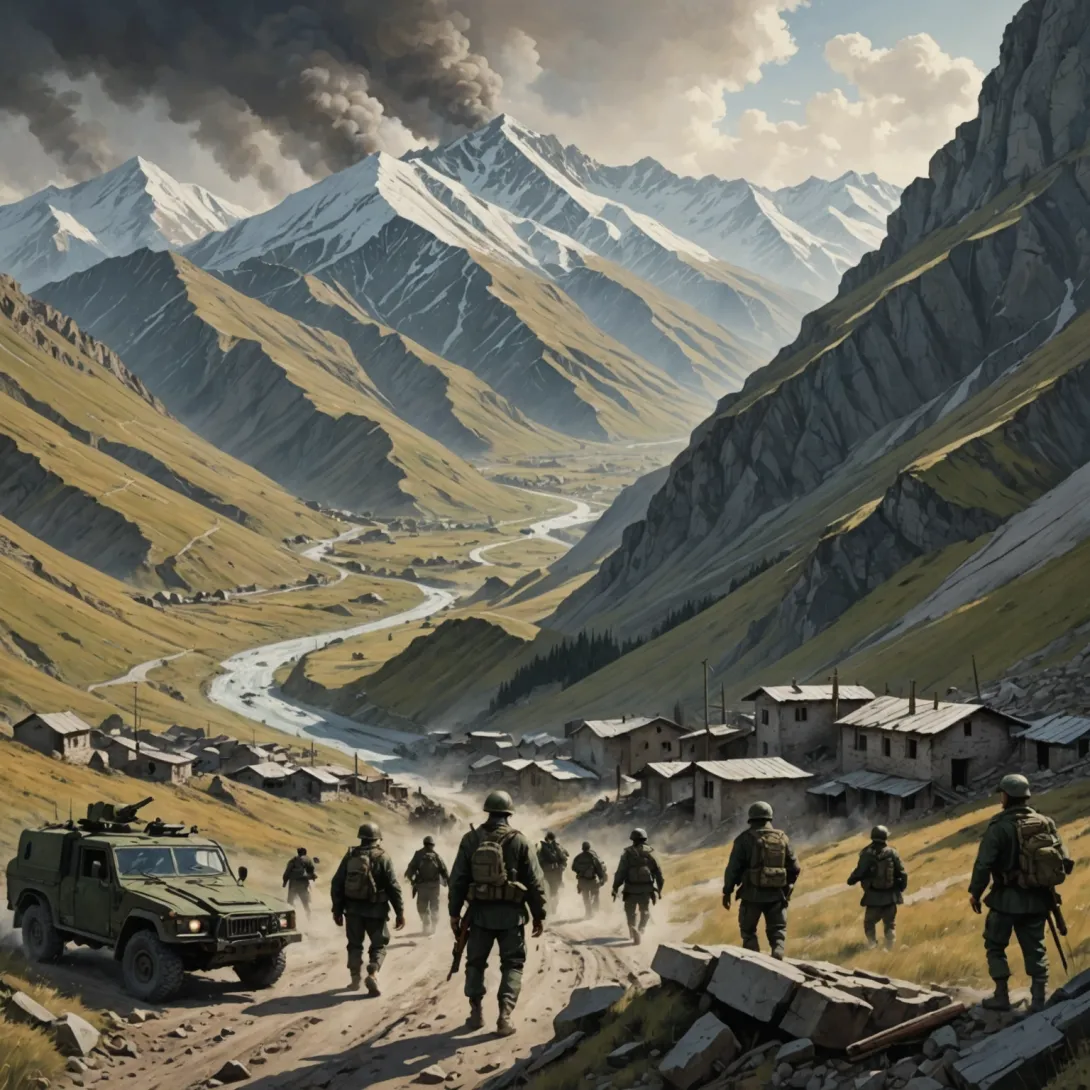
The 2nd Chechen War: A Comprehensive Overview
What are the 2nd Chechen War years and why are they significant?
The 2nd Chechen War years span primarily from 1999 to 2009, marking a critical period in the conflict between the Russian Federation and separatist forces in Chechnya. This war, often referred to as the Chechen War 2, followed the First Chechen War (1994–1996) and was triggered by renewed hostilities and incursions into Dagestan by Chechen militants in 1999.
Understanding the timeline of the 2nd Chechen War years is crucial because it highlights the shift in Russian military strategy, the escalation of violence, and the eventual reassertion of federal control over Chechnya. The conflict officially began in August 1999 and, while major combat operations concluded by 2000, insurgency and counterinsurgency activities continued for nearly a decade afterward.
What sparked the war Chechnya 1999 and what was the Chechen campaign?
The war Chechnya 1999 was ignited by a series of events that destabilized the region. In August 1999, Islamist militants from Chechnya, led by Shamil Basayev and Ibn al-Khattab, launched an invasion into the neighboring republic of Dagestan, aiming to create an Islamic state. This incursion was perceived as a direct threat to Russian territorial integrity and prompted a strong military response.
The Russian government launched the Chechen campaign, a large-scale military operation intended to crush the separatist insurgency and restore Moscow’s authority. This campaign was marked by intense urban warfare, aerial bombings, and ground offensives targeting both militant fighters and infrastructure.
The Chechen campaign was characterized by:
- Heavy use of Russian federal troops and special forces
- Large-scale artillery and air strikes on Grozny, the Chechen capital
- Counterinsurgency tactics aimed at isolating and eliminating rebel strongholds
- Complex urban combat leading to significant civilian casualties and displacement
What were the key Chechnya events during the conflict?
The war years in Chechnya were marked by several pivotal events that shaped the course and aftermath of the conflict:
- Battle of Grozny (1999–2000): One of the fiercest urban battles in the campaign, where Russian forces eventually seized control of the city after months of brutal fighting.
- Assassination of Akhmad Kadyrov (2004): The pro-Moscow Chechen leader was killed in a bombing, which underscored the ongoing instability despite official Russian victory claims.
- Rise of Ramzan Kadyrov: Akhmad’s son emerged as a central figure, consolidating power and working closely with Moscow to stabilize the region.
- Continued insurgency and counterterrorism operations: Even after major combat ended, sporadic violence continued, including terrorist attacks and Russian security crackdowns.
- Human rights concerns: Numerous reports emerged of abuses by both Russian forces and Chechen militants, adding an international dimension to the conflict’s legacy.
Why is understanding the 2nd Chechen War important today?
The 2nd Chechen War years provide key insights into modern Russian military doctrine, counterinsurgency strategies, and the challenges of regional separatism. This conflict also serves as a case study for the complexities of post-Soviet territorial disputes, the emergence of Islamist militancy in the North Caucasus, and the humanitarian costs of protracted warfare.
Moreover, the war’s aftermath has had lasting effects on Chechnya’s political landscape and Russia’s approach to internal security. The Chechen campaign demonstrated how a combination of military force and political co-optation could bring a volatile region under control, albeit at significant cost.
Summary of key points regarding the 2nd Chechen War years
- The conflict officially began in 1999 and is known as the Chechen War 2 or the 2nd Chechen War.
- The war Chechnya 1999 was sparked by cross-border militant attacks, prompting a major Russian military campaign.
- The Chechen campaign involved intense urban warfare, especially in Grozny, and counterinsurgency operations lasting nearly a decade.
- Key Chechnya events include battles, leadership changes, insurgency, and significant civilian impact.
- The war years shaped Russia’s future internal security policies and the political dynamics of the North Caucasus region.


