Music Culture: Exploring the Pulse of Musical Groups, Show Business, and Russian Music
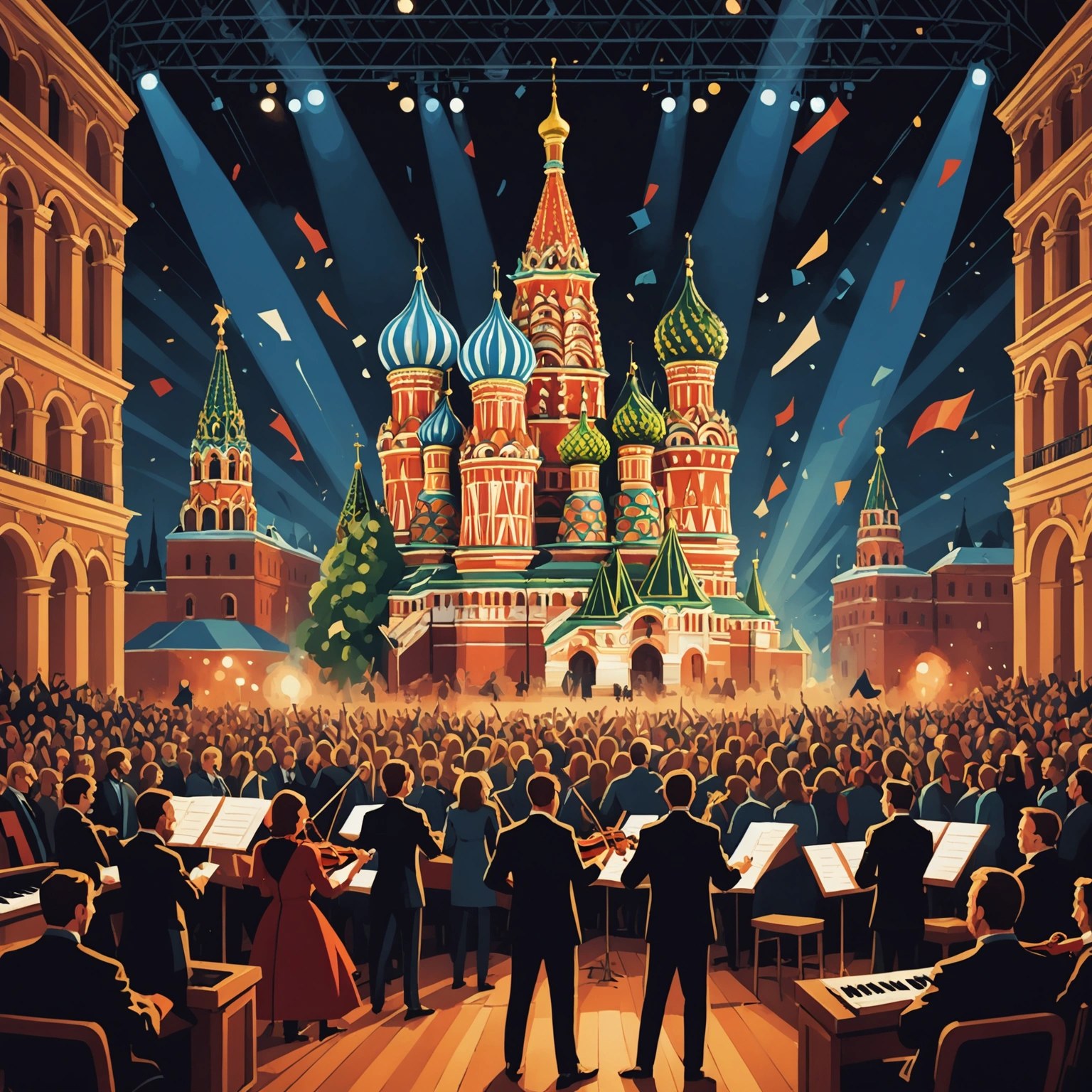
The Vibrant World of Musical Groups and Creative Collectives
Imagine stepping into a crowded venue where the air vibrates with anticipation, the lights dim, and the first chord strikes a chord deep inside your soul. This electric moment is the heartbeat of music culture—a dynamic ecosystem fueled by musical groups and creative collectives who pour their passion into every note. Yet, behind these captivating performances lies a complex tapestry of collaboration, ambition, and innovation that often goes unnoticed by the casual listener.
Musical groups are more than just ensembles of talented individuals; they are living organisms that evolve with each rehearsal, recording, and show. Creative collectives, on the other hand, push boundaries by blending art forms, experimenting with sounds, and crafting experiences that transcend traditional concert formats. These entities shape the identity of modern music scenes worldwide and offer a window into the cultural zeitgeist.
Show Business and the Ever-Changing Landscape of Russian Music
Diving into the arena of show business reveals a landscape where artistry meets commercial strategy, and Russian music stands as a fascinating case study. The Russian music scene boasts a rich heritage, from classical giants to contemporary pop icons and underground experimentalists. Yet, navigating show business here is a balancing act—artists must nurture their creative vision while engaging with an industry that often prioritizes marketability and mass appeal.
For fans and insiders alike, understanding the mechanisms of show business enhances appreciation for what happens on stage. It's not just about the music; it's about the stories artists tell through their performances, the cultural narratives they embody, and the way concerts become communal rituals. Curious about how dynamic performances intertwine with real-time events? Just as music keeps evolving, so do the ways audiences engage, exemplified by innovations like live betting odds in entertainment sectors—showing the surprising intersections between music, technology, and audience participation.
Concerts: More Than Just Shows—A Cultural Phenomenon
Concerts are the lifeblood of music culture, acting as spaces where fans and performers connect in shared experience. But they are more than mere events; they are cultural phenomena that influence fashion, social trends, and even political discourse. Whether it’s a massive festival in Moscow or an intimate gig in a St. Petersburg basement, concerts carry the power to unite disparate groups and ignite creative energy on a massive scale.
In Russia, the concert scene reflects the country’s diversity and complexity. From traditional folk music gatherings to cutting-edge electronic showcases, each event tells a story about the audience’s identity and aspirations. The growth of creative collectives has also transformed concerts into multidisciplinary showcases, incorporating visual arts, dance, and interactive elements that redefine what it means to attend a live show.
Why This Matters to You
- If you're a music lover, understanding the intricate dance between musical groups and show business enriches your listening experience.
- For artists and creatives, exploring how Russian music navigates cultural and commercial currents can inspire new approaches to collaboration and performance.
- Concert-goers gain insight into the evolving nature of live events, appreciating the layers of creativity and strategy behind every ticket sold.
In the sections that follow, we will delve deeper into the stories of iconic musical groups, dissect the workings of show business within Russian music, and uncover how creative collectives are reshaping concerts. Whether you’re attending your first live show or have been part of the scene for years, this exploration promises fresh perspectives and a renewed connection to the vibrant world of music culture.
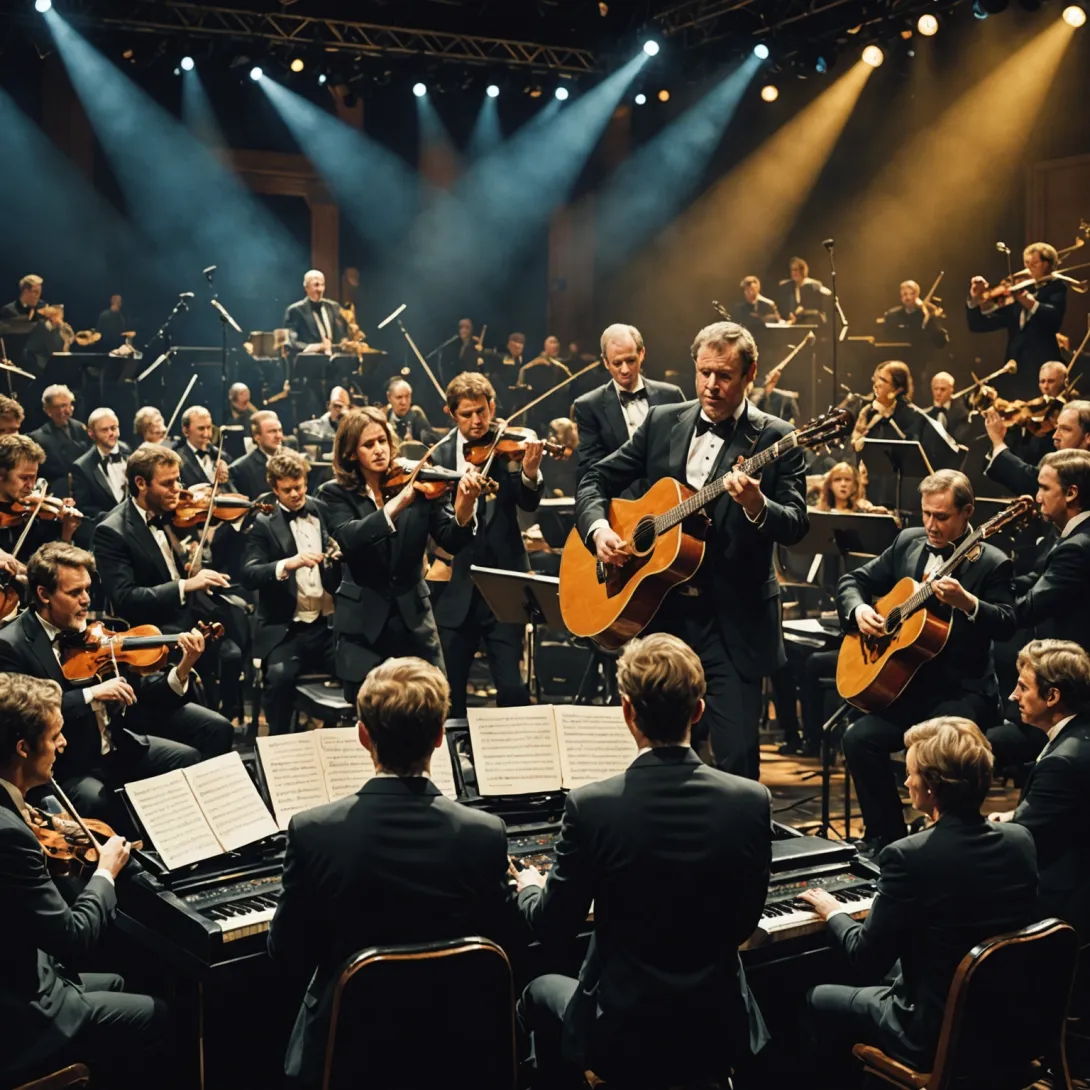
Understanding Music Culture: Musical Groups, Show Business, and Russian Music
What Defines Musical Groups and Their Role in Music Culture?
Musical groups are ensembles of musicians who collaborate to create and perform music. These groups can range from small duos to large orchestras and play a vital role in shaping music culture globally. By bringing together diverse talents and instruments, musical groups create unique sounds that often reflect cultural, social, and political contexts.
In contemporary music, bands and ensembles serve not only as creators of art but also as social entities that influence trends, fashion, and cultural movements. For example, iconic bands like The Beatles or modern-day groups like BTS have transcended music to influence global culture significantly.
Understanding the dynamics within musical groups helps one appreciate how collaboration and individual creativity fuse to produce memorable music, enriching the broader music culture.
How Does Show Business Influence Music Culture?
Show business, or the entertainment industry, encompasses the business aspects of music production, promotion, and distribution. It plays a crucial role in shaping public perception of musical groups and artists by controlling media exposure, marketing strategies, and concert organization.
The relationship between show business and music culture is symbiotic: while show business provides the platform and resources for artists to reach audiences, it also shapes trends by deciding which artists and genres receive attention. This influence can be seen in the rise of pop culture phenomena and the globalization of music styles.
For artists, navigating show business requires understanding contracts, branding, and audience engagement, which are essential for sustained success and cultural impact.
What Are the Unique Characteristics of Russian Music in the Global Music Scene?
Russian music boasts a rich and diverse heritage, spanning folk traditions, classical masterpieces, and contemporary genres. It is distinguished by its deep emotional expression, complex harmonies, and the integration of traditional instruments like the balalaika and gusli.
In the realm of Russian music, creative collectives and musical groups often blend traditional melodies with modern styles, creating a unique fusion that appeals both domestically and internationally. Artists such as Alla Pugacheva and groups like Mumiy Troll exemplify this blend.
Additionally, Russian music culture is heavily influenced by historical and political events, which have shaped its themes and distribution patterns. Today, Russian artists are increasingly participating in global concerts and collaborations, expanding the reach of Russian music worldwide.
What Are Creative Collectives and How Do They Impact Music Culture?
Creative collectives are collaborative groups of artists, musicians, producers, and other creatives who work together to innovate and produce music and related art forms. Unlike traditional musical groups, creative collectives often emphasize experimental approaches, cross-genre collaborations, and community-driven projects.
These collectives contribute significantly to music culture by fostering innovation, supporting emerging artists, and challenging industry norms. Examples include the hip-hop collective Odd Future or the electronic music collective Soulection.
Creative collectives often organize independent concerts and events, providing platforms for diverse voices and new ideas, thus enriching the music culture with fresh perspectives.
How Do Concerts Shape Music Culture and Audience Engagement?
Concerts are live performances that serve as vital touchpoints between artists and audiences, fostering a shared cultural experience. They play a crucial role in music culture by allowing musical groups and creative collectives to connect with fans, showcase their artistry, and create memorable moments.
Concerts also stimulate local economies and can influence cultural tourism. For example, major music festivals like Russia's Alfa Future People or the global phenomenon of Coachella attract thousands, promoting cultural exchange and music appreciation.
Moreover, the evolution of concert experiences—such as virtual concerts and immersive technologies—demonstrates the dynamic nature of music culture and its adaptation to new audience expectations.
Summary: Interconnectedness of Musical Groups, Show Business, Russian Music, Creative Collectives, and Concerts
- Musical groups act as creators and cultural ambassadors, shaping music styles and trends.
- Show business governs the commercial and promotional frameworks that influence which music reaches the public.
- Russian music offers a rich cultural tapestry blending tradition and modernity, impacting global music culture.
- Creative collectives foster innovation and experimentation, enriching the diversity of music culture.
- Concerts provide vital live experiences that strengthen the bond between artists and audiences, enhancing cultural exchange.
By understanding these elements and their interrelations, one gains a comprehensive view of music culture as a vibrant, evolving ecosystem influenced by artistic collaboration, commercial forces, cultural heritage, and live performance.


